Laser Induced Breakdown Spectroscopy (LIBS)
Laser Induced Breakdown Spectroscopy (LIBS)
Laser-Induced Breakdown Spectroscopy (LIBS) analyzers use laser-based optical emission spectrometry to analyze the elemental composition of various materials
LIBS systems don't use radioactive materials and don't generate any hazardous radiation
The first practical application was developed in 1980 and now it is used in military, industrial, and medical applications
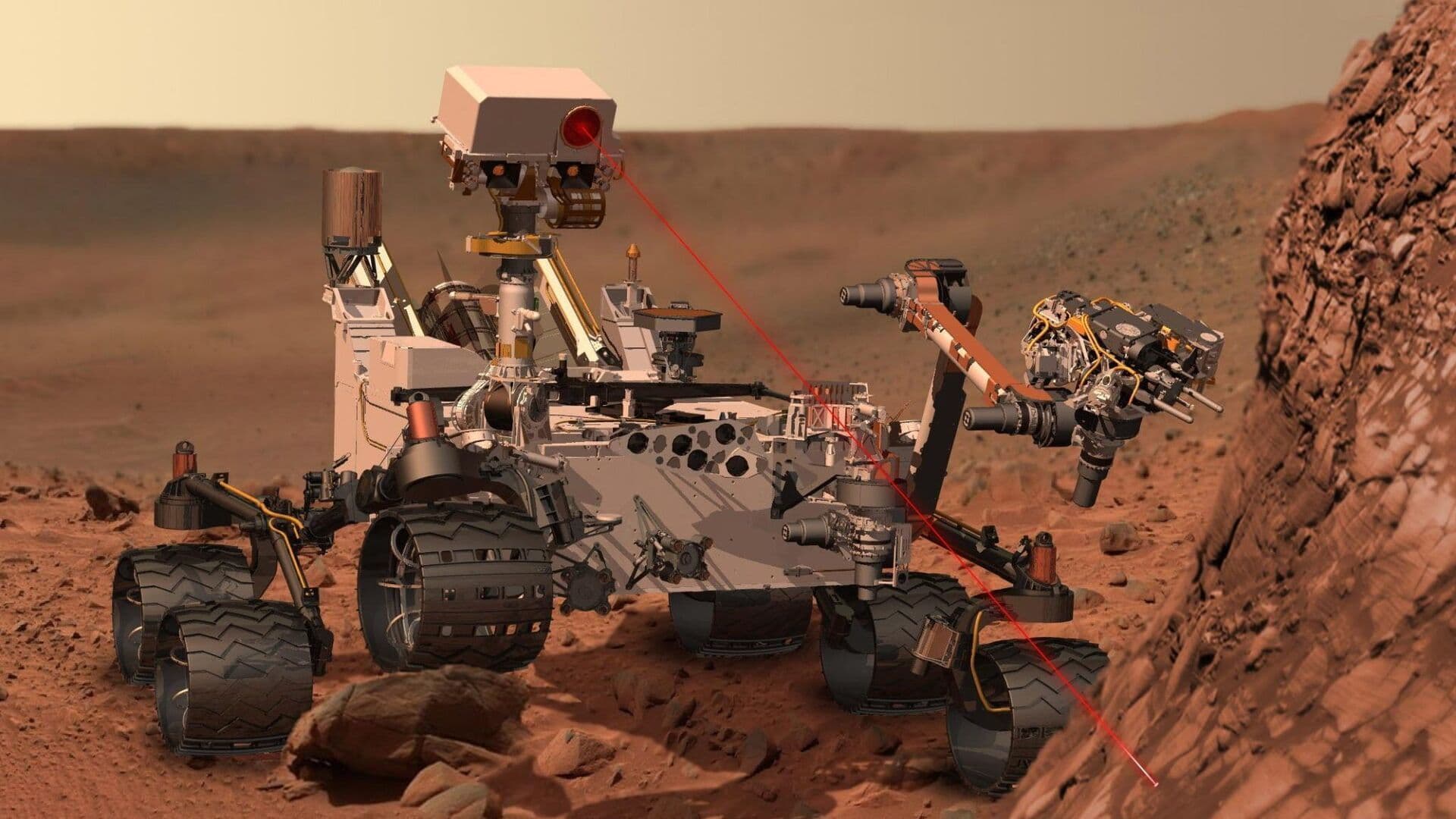
It is worth mentioning that NASA rover are equipped with LIBS instrument for chemical analysis of rocks in Mars
Operation Principles
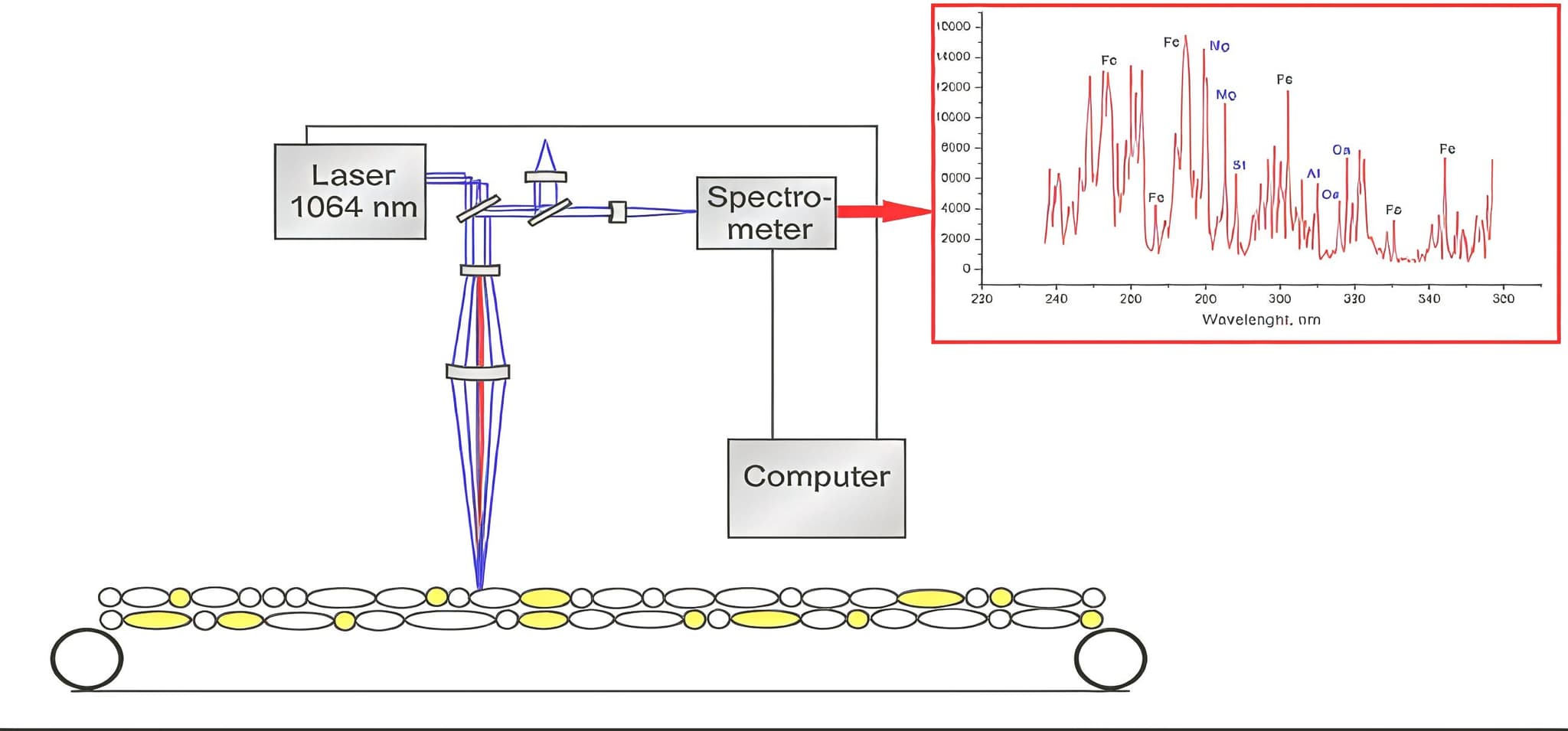
A pulsed laser beam is focused on the material, whether solid or liquid/slurry
Material transforms to plasma around the focus point. When cooling the plasma emits light
Spectrometer collects this light and produces a wavelength-based spectrum
This process can be repeated hundreds of times per minute to provide a representative measurement of the bulk material on the conveyor belt or slurry stream
Concentration of elements and minerals from spectral data.
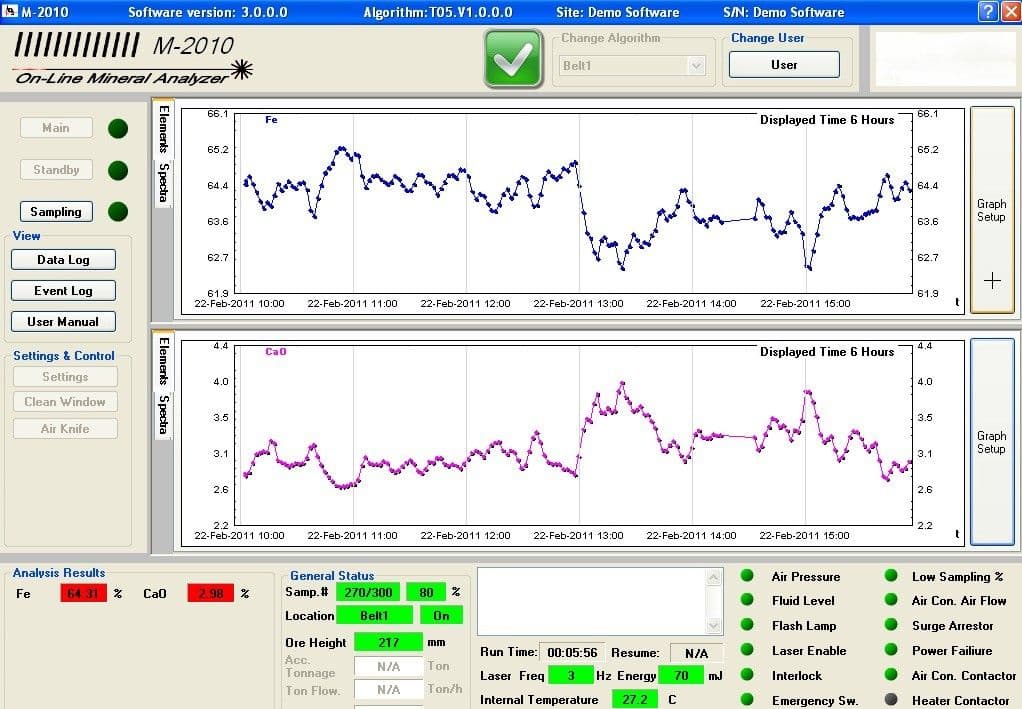
Results of calculation are instantly sent to SCADA every few minutes for automatic continuous process control in real-time
Advantages of LIBS technology for Online Chemical Analysis
Simultaneous quantitative analysis of all the elements, including the light ones (Li ,C, Si, Mg, Al, etc…)
High accuracy and low detection limit due to the clear spectral lines of most of the elements in a wide optical range
The result of analysis does not depend on the quality of the surface of the analyzed material, size of the pieces and thickness of the layer
No hazardous radiation – absolutely safe for the personnel and doesn’t require any authorities licenses and permissions
No sampling and sample preparation required, human labour and mistakes eliminates
Long-term stable calibration